Wedding Flowers Brompton V and A Museum and Royal Albert Hall
Posted on 12/10/2026
Planning Wedding Flowers Brompton V and A Museum and Royal Albert Hall is not just about choosing beautiful blooms. It is about making flowers work with some of London's most elegant and recognisable wedding settings, where every arrangement needs to feel considered, refined, and practical on the day. If you are marrying near Brompton, or hosting parts of your celebration at the V&A Museum or the Royal Albert Hall, the floral brief usually has a few moving parts: venue access, timing, styling, colour balance, and making sure the flowers look right in a space that already has a lot of character. That can feel a bit much at first. Fair enough.
This guide walks you through what matters, how wedding flowers for these venues typically work, what to expect when planning, and how to avoid the little mistakes that can become big ones. You will also find practical ideas for bouquets, buttonholes, ceremony flowers, table arrangements, and venue-specific thinking that can help everything come together without stress. Let's face it, flowers should add calm and beauty, not another spreadsheet.
If you are still exploring the broader wedding floral range, you may also want to browse the wedding flowers collection and the dedicated Wedding Flowers Brompton SW10 page for local inspiration.
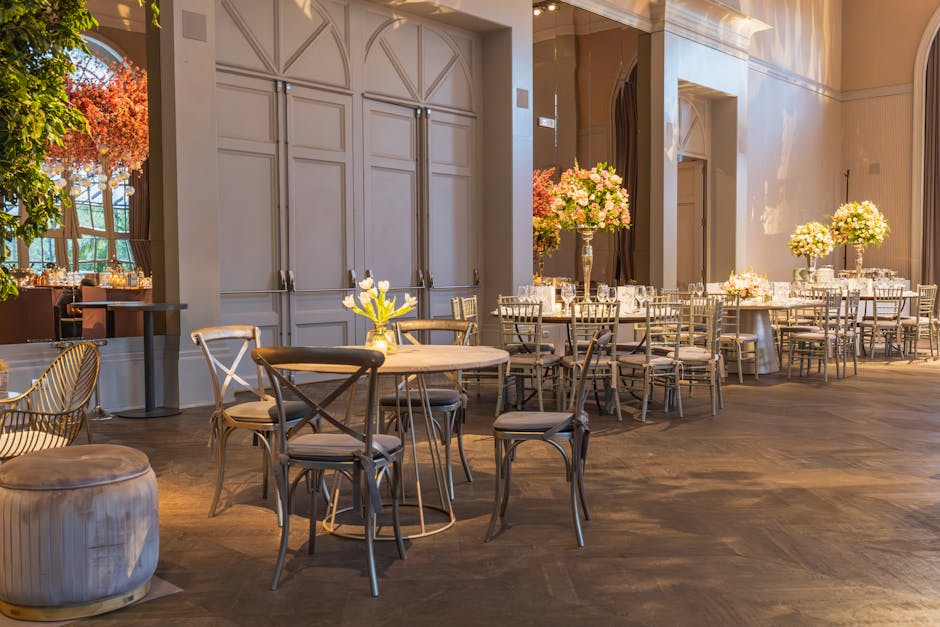
Table of Contents
- Why Wedding Flowers Brompton V and A Museum and Royal Albert Hall Matters
- How Wedding Flowers Brompton V and A Museum and Royal Albert Hall Works
- Key Benefits and Practical Advantages
- Who This Is For and When It Makes Sense
- Step-by-Step Guidance
- Expert Tips for Better Results
- Common Mistakes to Avoid
- Tools, Resources and Recommendations
- Law, Compliance, Standards, or Best Practice
- Options, Methods, or Comparison Table
- Case Study or Real-World Example
- Practical Checklist
- Conclusion
- Frequently Asked Questions
Why Wedding Flowers Brompton V and A Museum and Royal Albert Hall Matters
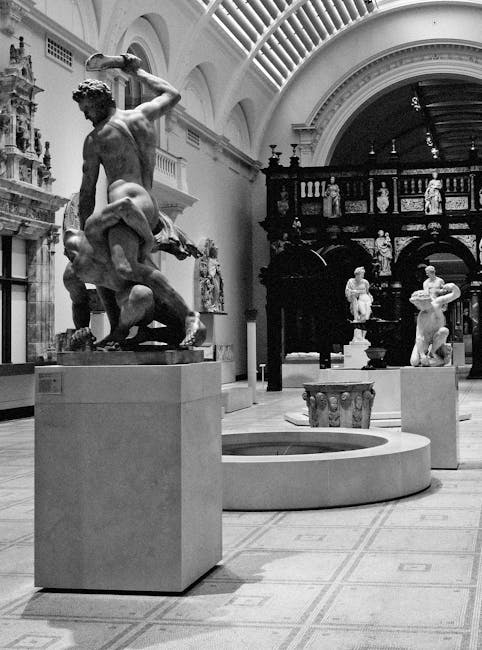
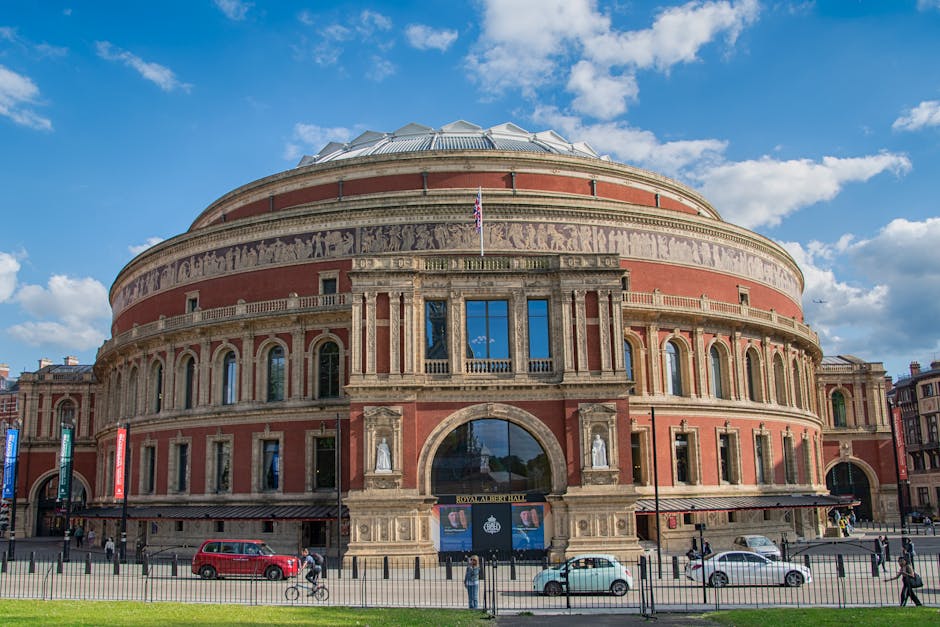
Choosing flowers for the V&A Museum or the Royal Albert Hall is different from choosing flowers for a smaller local venue. The architecture does a lot of the visual heavy lifting. High ceilings, dramatic entrances, stone, glass, theatre lighting, historic detail, and formal rooms all influence how bouquets and arrangements should look. In other words, the flowers are not working alone. They are part of a bigger visual story.
That matters because the wrong floral style can feel lost in a grand room, or worse, compete with the venue in a way that makes everything look busy. A loose meadow style might be perfect in one setting but too casual in another; a tightly structured classic design may suit a formal space beautifully, but need softening so it does not feel rigid. The key is balance. You want flowers that respect the venue and still feel personal to you.
There is also the practical side. Wedding days in central London are often run to a tighter schedule than people expect. Loading bays, access windows, traffic, and photographer timings can all affect delivery and set-up. When the flowers are planned specifically for the venue and the route, things go much more smoothly. A bouquet in the car is fine. A full ceremony install caught behind a delivery queue, not so fine.
Expert summary: For weddings at Brompton's landmark venues, the best floral designs are usually the ones that look elegant in photographs, suit the scale of the space, and can be installed quickly without drama.
And there is a human side to it too. Many couples tell us they want flowers that feel memorable but not overdone. That is a sensible instinct. The best wedding flowers are often the ones that look effortless, even though quite a lot of thought went into them.
How Wedding Flowers Brompton V and A Museum and Royal Albert Hall Works
In practical terms, the process starts with the venue, the schedule, and the feel of the day. Before anyone talks about peonies, roses, orchids, or lisianthus, it helps to know where the flowers will go and what they need to do. Are they framing an aisle? Dressing a top table? Filling the space around a register table? Carrying through from ceremony to reception? Each answer changes the design.
For spaces like the V&A Museum or the Royal Albert Hall, flowers often need to perform in three ways at once:
- They must look beautiful up close.
- They must read clearly from a distance.
- They must photograph well in mixed lighting.
That means shape matters as much as flower choice. A bouquet with too many tiny details can disappear in a large room, while a stronger silhouette may hold its own better. Likewise, table flowers need to be low enough for conversation, unless you want everyone leaning sideways over dinner, which nobody really wants.
The logistics are just as important as the style. In London, venue rules may affect how and when flowers can be delivered, what items can be attached or freestanding, and how quickly setup must happen. Good planning keeps the floral design in line with those constraints. If you are working with a florist, share the venue contact details, the event schedule, and any floor plans as early as possible. That one step saves a lot of back-and-forth later.
Seasonality also plays a role. A spring wedding near Brompton can feel fresh and light with garden-style flowers, tulips, or roses, while summer weddings may suit fuller, richer arrangements with more texture. Autumn often leans towards warmer tones and layered foliage. None of this is fixed, of course. But seasonality usually gives a design more depth and a more natural feel.
Key Benefits and Practical Advantages
The biggest benefit of venue-aware wedding floristry is confidence. You are not guessing whether the flowers will work in the space. You are designing for the space. That gives you better visual results and fewer surprises on the day.
Here are the practical advantages that matter most:
- Better scale and proportion. Grand venues often need designs with presence, not just prettiness.
- More cohesive photos. Flowers can tie together architecture, attire, tableware, and lighting.
- Smoother delivery and setup. Thinking through access and timing avoids unnecessary stress.
- Clearer budgeting. When you know which items are essential, you can spend where it counts.
- More personal styling. Venue-led design still leaves room for colour, symbolism, and seasonal preference.
There is also a hidden advantage people do not always think about. Well-planned flowers can make a venue feel warmer and more intimate without trying to fill every corner. Especially in large, elegant London spaces, a few smart focal points often work better than lots of small bits and pieces scattered around. Less can absolutely be more.
If you are comparing flower styles, it can help to think in terms of structure. For example, a bridal bouquet and matching buttonholes create a strong visual thread, while table arrangements and table flowers shape the guest experience during the meal. Put simply: the flowers should guide the eye, not overwhelm it.
Who This Is For and When It Makes Sense
This kind of floral planning makes sense for couples who care about the overall atmosphere of the day, not just one show-stopping bouquet. If you are marrying at or near the V&A Museum or the Royal Albert Hall, you are probably already thinking about style, heritage, and guest experience. Flowers should fit into that picture naturally.
It is especially useful for:
- couples planning a formal London wedding
- pairs hosting a ceremony and reception across different spaces
- those who want a classic, romantic, or luxury look
- anyone needing flowers to travel well and install efficiently
- brides and grooms who want designs that photograph strongly in big interiors
It also makes sense if you have limited time. Truth be told, many couples leave florals a little later than they intended. That is normal. But for high-profile venues, the earlier you begin, the more room you have for the florist to shape something thoughtful rather than rushed.
If you are not yet sure what style suits you, browsing options like bridal bouquets, bridesmaid bouquets, and wedding corsages can help you see what feels right before you commit to a full plan.
Step-by-Step Guidance
A sensible floral process usually follows a fairly simple path, even if the final result looks beautifully polished.
- Define the venue and event spaces. Identify where each floral piece will go: ceremony, entrance, aisle, signing table, reception, and photo moments.
- Choose the mood. Decide whether you want romantic, modern, lush, classic, seasonal, or understated styling.
- Select the core palette. Pick 2 to 4 main colours, then add neutrals or foliage to balance them.
- Match the flowers to the scale. Smaller rooms usually need lighter arrangements; larger rooms usually need stronger shape and volume.
- Build the key items first. Start with bridal bouquet, bridesmaid bouquets, buttonholes, and ceremony statement pieces.
- Plan the supporting flowers. Add table arrangements, pedestal designs, entrance pieces, or extras if the venue calls for them.
- Check timings and access. Confirm delivery windows, set-up time, and any venue restrictions.
- Review the final look together. Make sure the details feel coherent, not just individually pretty.
If you want a simple rule of thumb, begin with the bouquet. Then build out from there. Once the bouquet is right, the other pieces often fall into place more naturally. It sounds a bit too simple, maybe, but it works.
For couples who want a more premium presentation, a coordinated wedding collection can be helpful. Browsing options such as wedding collections or more refined designs like luxury flowers can make it easier to identify a consistent tone before making your final choices.
Expert Tips for Better Results
The best floristry for landmark venues usually looks calm, deliberate, and beautifully edited. That comes from a few simple habits.
- Use flowers with strong form. Roses, orchids, lisianthus, lilies, and hydrangeas can all work well when chosen thoughtfully.
- Let the venue influence the shape. Tall spaces can handle a bit more structure; intimate rooms often benefit from softer, lower arrangements.
- Think about sight lines. Guests should be able to see each other across a table without peering around flowers.
- Keep scent in mind. Some flowers have a noticeable fragrance. That can be lovely, but not if it competes with dinner or triggers sensitivities.
- Choose a focal flower and support it. One or two standout blooms, supported by quieter florals, often look more elegant than a dozen competing varieties.
Another useful tip: ask for a sample visual rather than relying on a short verbal description. Even a moodboard of textures, colours, and bouquet shapes can save confusion. One person's "soft white" can be another person's "creamy ivory with blush and green." That tiny gap in language matters more than people expect.
It also helps to be realistic about what will hold up best on the day. Bouquets carried for hours, arrangements placed in warm spaces, and flowers under bright indoor lighting all need to be resilient. Florists know this, but it is worth stating plainly. Beauty is not enough on its own; stamina counts too.
For a truly polished look, many couples use matching floral pieces across the bridal party, such as wedding bridal bouquets alongside coordinated bridesmaid flowers. A linked design language makes the day feel intentional without being matchy-matchy. There is a difference, thankfully.
Common Mistakes to Avoid
A few mistakes show up again and again, and they are usually avoidable once you know what to watch for.
- Choosing flowers without considering the venue size. Lovely blooms can still be wrong for the room.
- Ignoring logistics. If the flowers cannot be delivered and installed on time, the design falls apart no matter how good it looked on paper.
- Overcrowding tables. Guests need space for glasses, place settings, conversation, and the occasional lean-in chat.
- Mixing too many competing colours. A busy palette can look less elegant than a considered one.
- Leaving everything to the last minute. It creates unnecessary pressure and fewer design options.
- Forgetting buttonholes and smaller flowers. These tiny details matter more than they seem at first.
One more thing: do not copy a Pinterest picture too literally. Nice as it may be, a design that worked in another room, another light, or another season may not translate cleanly to your venue. Use inspiration, yes. But adapt it to the actual building, the actual guest count, and the actual timings. That is where the good work happens.
If your day has a more intimate feel, smaller accompanying pieces like wedding gifts or simple floral accents can be a better fit than oversized installations. Subtle can be powerful.
Tools, Resources and Recommendations
You do not need a huge toolkit to plan wedding flowers well, but a few practical resources make the process easier.
- Venue details. Floor plans, timings, delivery instructions, and access notes are essential.
- Colour references. Fabric swatches, invitation samples, or dress details help with matching tones.
- Guest count and table layout. These affect how much floral coverage you actually need.
- Weather plan. Even indoor flowers can be affected by heat, cold, or transport delays.
- Flower care guidance. Knowing how to keep bouquets and arrangements fresh helps on the morning of the wedding.
For everyday upkeep before the day itself, the website's flower care guidance is worth a look, especially if you are storing bouquets, test arrangements, or display pieces. You can also review the florist's wider delivery information and guarantees so you know what to expect.
If you are narrowing down a style, browsing specific collections can help. For example, white-heavy weddings often suit clean designs, while softer romantic palettes may work better with blush, cream, and greenery. You can explore options such as white flowers, pink flowers, or mixed colour arrangements depending on the atmosphere you want.
Law, Compliance, Standards, or Best Practice
Wedding flower planning is not heavily regulated in the way some industries are, but there are still important best-practice considerations. In London venues, floral suppliers normally need to respect venue rules on delivery times, access routes, setup areas, fire safety, and protected surfaces or display points. The exact requirements depend on the venue and the event contract, so it is always wise to confirm them directly rather than assume anything.
There are also general business and consumer expectations worth keeping in mind. Clear pricing, transparent delivery arrangements, reasonable communication, and a sensible approach to substitutions are signs of a florist working professionally. If seasonal flowers are unavailable, a good florist will suggest alternatives that keep the colour and feel consistent rather than making last-minute changes without discussion.
Accessibility matters too. Some wedding designs are beautiful but awkward. Very tall arrangements may block views for guests seated at tables, and strong fragrances can be uncomfortable in enclosed settings. Best practice is to make flowers elegant and considerate. That is the sweet spot.
Finally, for central London weddings, practical coordination matters as much as floral skill. Build in a margin for travel, unloading, and last checks. It is not glamorous, but it is the difference between calm delivery and everyone glancing at the clock.
Options, Methods, or Comparison Table
Below is a simple comparison of common wedding flower approaches for Brompton and nearby landmark venues.
| Approach | Best For | Strengths | Watch Outs |
|---|---|---|---|
| Classic bridal-led styling | Formal weddings and heritage venues | Elegant, polished, timeless in photos | Can feel too rigid if not softened with texture |
| Seasonal garden style | Romantic and relaxed celebrations | Natural movement, softer feel, lots of personality | Can look small in very large rooms if not scaled properly |
| Luxury statement design | Grand rooms and dramatic entrances | Strong visual impact, memorable guest experience | Needs tight budgeting and precise logistics |
| Minimal modern styling | Clean, contemporary weddings | Looks refined and uncluttered | Every flower choice must work harder visually |
In most cases, the best approach is a blend rather than a pure style. A classic bouquet with a slightly softer table scheme, for example, can feel both refined and warm. Or a statement entrance with simpler guest tables. Not everything needs to shout.
Case Study or Real-World Example
Here is a realistic planning example based on the sort of brief many Brompton-area couples bring to us.
A couple is hosting an elegant London wedding with a ceremony influenced by the formality of the Royal Albert Hall and a reception mood inspired by the artistic calm of the V&A Museum. They want white and blush flowers, nothing too loud, but they do want the room to feel special from the first glance. The venue is large enough that tiny arrangements would disappear, but they do not want a heavy or theatrical look either.
The floral plan works best when it is built in layers:
- a structured bridal bouquet with roses and softer support blooms
- simple but matching bridesmaid bouquets
- buttonholes that repeat the bouquet palette without looking identical
- ceremony focal pieces that create height and presence
- low table arrangements that keep the meal comfortable and conversational
What made this kind of plan work was not just the flower choice. It was the scale. The bouquet needed to feel intimate in the hands and clear in the photos, while the room flowers needed to hold their own against the architecture. The result was calm, elegant, and easy to read visually. No clutter, no panic, no overcomplication. Lovely, actually.
For couples who like that sort of coherence, pairing collections such as a coordinated wedding collection with a matching bouquet and buttonhole set can save time and help the day feel unified.
Practical Checklist
Use this checklist when reviewing your wedding flower plan.
- Have you confirmed the exact venue or venues?
- Do you know the floral delivery time and access route?
- Have you chosen a colour palette that suits the room?
- Does the bouquet style work with the dress and overall look?
- Are the buttonholes, bridesmaid bouquets, and corsages coordinated?
- Will the table arrangements allow guests to talk comfortably?
- Have you checked fragrance, height, and lighting considerations?
- Do you know what happens if a flower is unavailable?
- Have you allowed a little time buffer for London traffic and setup?
- Have you reviewed the florist's delivery and care information?
If you can tick those off, you are in very good shape. If not, no drama. Better to catch it now than on the morning with a coffee in one hand and a worried look on your face.
Conclusion
Wedding flowers for Brompton's landmark venues are about more than decoration. They help translate a beautiful space into a personal celebration, one that feels like yours while still respecting the scale and character of the setting. When the design is thoughtful, the logistics are tight, and the style is matched to the room, everything becomes easier: the photos, the atmosphere, even the mood of the day itself.
Whether you are drawn to classic white roses, romantic seasonal tones, or a fuller luxury look, the smartest move is to think venue first and flowers second. That sounds backwards, maybe, but it is exactly how you get a result that feels effortless. And effortless, in wedding floristry, usually means a great deal of planning went on behind the scenes.
Get a free quote today and see how much you can save.
Take your time, trust the process, and choose flowers that make the day feel quietly unforgettable.
Frequently Asked Questions
What flowers work best for a wedding at the V&A Museum or Royal Albert Hall?
Roses, orchids, lisianthus, hydrangeas, lilies, and seasonal foliage often work well because they can look elegant at a distance and detailed up close. The right choice depends on the room size and the mood you want.
Do I need a different bouquet style for a grand London venue?
Often, yes. Larger venues usually suit bouquets with a stronger shape or a bit more presence. A tiny bouquet can look sweet in person but get lost in photos or in a large ceremonial space.
How far in advance should I plan wedding flowers?
As early as you reasonably can. For venue-specific weddings in central London, early planning gives you more options, better coordination, and fewer rushed decisions. You do not want to be selecting buttonholes in a panic the week before.
Can wedding flowers be delivered directly to the venue?
In many cases, yes, but it depends on venue access rules, delivery windows, and setup permissions. Always confirm the details with the venue and florist so there are no surprises on the day.
What is the difference between a bridal bouquet and bridesmaid bouquets?
The bridal bouquet is usually the main floral piece and may be slightly fuller, more detailed, or more distinctive. Bridesmaid bouquets are often coordinated versions that support the overall design without competing with it.
How do I make flowers suit both the V&A Museum and the Royal Albert Hall style?
Keep the palette cohesive and the shapes elegant. Both settings reward well-edited florals with good structure. You can adapt size and density depending on the exact room, but a refined look usually bridges both beautifully.
Are white wedding flowers always the safest choice?
White flowers are classic and versatile, yes, but they are not the only safe choice. Soft blush, cream, green, and muted seasonal shades can be just as elegant, and sometimes more personal.
What should I ask a florist before booking?
Ask about venue experience, delivery logistics, substitution policy, styling options, and what is included in the quote. It is also sensible to ask how they handle setup timing and any venue restrictions.
How can I keep table flowers from blocking conversation?
Choose low arrangements, narrow designs, or carefully shaped centrepieces. The goal is to let guests see each other easily while still giving the tables beauty and texture.
What if some of my chosen flowers are out of season?
A good florist should suggest alternatives that keep the same overall look and feeling. Seasonal flexibility is often a strength, not a problem. Sometimes the substitute ends up looking even better.
Are luxury wedding flowers worth the higher cost?
They can be, if the venue and the rest of the day call for a more polished, high-impact presentation. What matters is not simply spending more, but spending on the pieces that will matter most visually and practically.
Can I use the same flowers for the ceremony and reception?
Yes, in many cases flowers can be repurposed, which is both efficient and budget-friendly. Ceremony pieces can sometimes be moved to reception areas if the schedule and venue rules allow it.
What is the easiest way to start if I feel overwhelmed?
Start with the venue, the bouquet, and the colour palette. Those three decisions give you a framework for everything else. Once they are set, the rest tends to feel much more manageable.