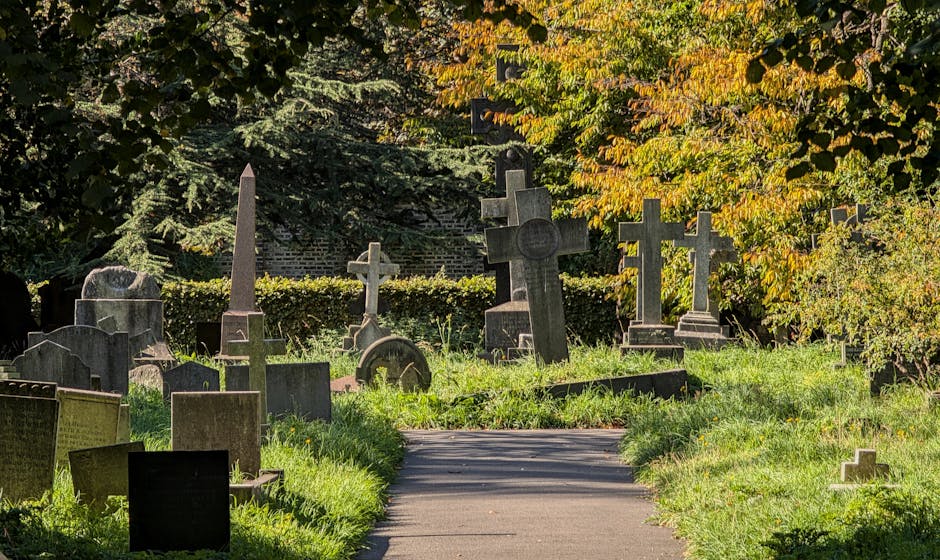
Brompton Cemetery Funeral Flowers Responsible Disposal Tips
Posted on 03/10/2026
If you are dealing with funeral flowers at Brompton Cemetery, the practical question is usually simple: what should happen to the tributes once the service is over, the family has taken what they want, or the flowers begin to fade? Brompton Cemetery Funeral Flowers Responsible Disposal Tips matter because the right approach is respectful, tidy, and considerate to the cemetery, nearby visitors, and the environment. It is one of those jobs that sounds small until you are standing there with wilting lilies, ribbon, cardboard, and a very full boot. Then it feels bigger. This guide walks you through what responsible disposal looks like, why it matters, and how to do it properly without overcomplicating things.
You will also find clear steps, common mistakes, practical comparisons, and a checklist you can actually use on the day. Where relevant, we also point to the sort of funeral flower choices that work well in this setting, such as funeral flowers in Brompton SW10, so you can plan ahead rather than improvise in a rush.
Table of Contents
- Why Brompton Cemetery Funeral Flowers Responsible Disposal Tips Matters
- How Brompton Cemetery Funeral Flowers Responsible Disposal Tips Works
- Key Benefits and Practical Advantages
- Who This Is For and When It Makes Sense
- Step-by-Step Guidance
- Expert Tips for Better Results
- Common Mistakes to Avoid
- Tools, Resources and Recommendations
- Law, Compliance, Standards, or Best Practice
- Options, Methods, or Comparison Table
- Case Study or Real-World Example
- Practical Checklist
- Conclusion
- Frequently Asked Questions
Why Brompton Cemetery Funeral Flowers Responsible Disposal Tips Matters
Funeral flowers are not just decoration. They carry memory, affection, apology, gratitude, and often a bit of all four at once. At a place like Brompton Cemetery, where visitors come for quiet reflection and services may be closely timed, responsible disposal is part of showing care after the tribute has done its job.
Why does it matter so much? First, because flowers left to decay in the wrong place can create mess, block pathways, or make maintenance harder for cemetery teams. Second, because wreath frames, plastic wraps, florist foam, and ribbon are not all compostable. Third, because families often want a gentle, dignified finish rather than a blunt clear-out. The last thing anyone needs is a pile of soggy stems and packaging sitting awkwardly by a grave. Not exactly the mood, is it?
There is also a broader environmental point. Funeral flowers are often arranged with mixed materials, and those materials need sorting. If you dispose of everything together, you are likely sending recyclable or compostable items to general waste. That is avoidable, and in our experience avoidable waste tends to bother people more when they are already navigating grief.
Expert summary: Responsible flower disposal at Brompton Cemetery is about three things: respect, separation, and timing. Respect the place and the family, separate natural materials from non-natural ones, and do the clearance at the right moment, not in a rush.
There is also a human side to this. A family may return after the service to collect a favourite spray or a single rose. A cemetery worker may need clear access. A mourner may want to leave petals, but not packaging. These little choices shape the experience, quietly and meaningfully.
How Brompton Cemetery Funeral Flowers Responsible Disposal Tips Works
The process is usually simpler than people fear. The main idea is to sort funeral floral tributes into what can be kept, what can be reused, what can be composted, and what needs general waste disposal. Around Brompton Cemetery, that often means working with a service pattern that fits the day: the flowers arrive, the tribute is placed, the immediate family takes what they want, and then the remaining items are cleared with dignity.
In practical terms, disposal tends to involve these parts:
- Natural flower material such as petals, leaves, stems, and greenery.
- Reusable keepsakes like ribbon wording, cards, small mementoes, or special toppers.
- Compostable matter if the arrangement is free from wire-heavy or plastic-heavy components.
- Non-compostable packaging such as cellophane, tape, some foam bases, plastics, and metal supports.
The best approach is not to treat all tributes the same. A simple sheaf of roses is much easier to sort than a large tribute with foam, wires, and presentation wrap. That is why planning matters before the arrangement even leaves the florist. If you are choosing the flowers yourself, it helps to ask for designs that are easier to dismantle later. A quieter, more natural tribute can also feel more appropriate in a cemetery setting. If you are comparing options, you may want to look at sympathy flowers and funeral arrangements that are built with clear, respectful presentation in mind.
Responsibility here also means timing. Fresh flowers left too long can become heavy, limp, and messy, especially in warm weather. On a bright morning, they may still look beautiful; by late afternoon, less so. So the key is to collect, separate, and dispose at the right point, rather than waiting until everything has collapsed into a soggy heap.
Key Benefits and Practical Advantages
Responsible disposal is not just about being tidy. It has several practical benefits that make a real difference on the day and afterwards.
It keeps the graveside respectful and uncluttered
When flowers are cleared properly, the space remains calm and dignified. Visitors can move around safely, and the grave does not get buried under wrappers, broken stems, or loose ribbon.
It reduces waste and improves sorting
Separating stems from packaging helps cut down on landfill waste. Even if you cannot compost everything, you can usually do better than putting all of it into one black bag.
It makes life easier for family members
When a family is grieving, they do not want a second round of decisions about soggy flowers and packaging. A clear disposal plan simplifies things. Truth be told, it removes one more little burden from an already heavy day.
It supports cemetery upkeep
Clean, clear pathways and grave areas are easier for staff and visitors to manage. That matters in a busy cemetery, especially when services overlap or when there are lots of visitors coming and going.
It can preserve keepsakes
Sometimes the most meaningful part of a tribute is not the arrangement itself but a ribbon, message card, or individual bloom that someone wants to keep. Responsible disposal makes room for that.
There is also a cost consideration. Better sorting can reduce unnecessary waste collection and avoid throwing away items that could be reused or composted. It is not glamorous, no, but it is sensible.
Who This Is For and When It Makes Sense
This guidance is useful for a few different people. If you are planning a funeral or memorial near Brompton Cemetery, you may want to think about disposal before the flowers even arrive. If you are a family member taking charge after the service, this helps you decide what to keep and what to let go. If you are a funeral director, florist, or event organiser, it helps you present a clearer, more considerate service.
It makes particular sense when:
- the tribute contains mixed materials and you want to avoid waste;
- the family has asked for a tidy, low-maintenance graveside;
- you need to clear flowers from a cemetery plot after a service;
- you want to keep memorial cards or ribbon wording separately;
- you are choosing flowers for a service and want arrangements that are easier to dispose of later.
It also matters more when the tribute is large or formal, such as wreaths, sprays, casket tributes, or letter tributes. These can be lovely, but they often come with hidden handling steps. If that sounds like your situation, a florist who understands funeral work can help you choose an arrangement that fits the setting and your disposal preferences.
For nearby delivery and timing needs, it can help to use a service that understands local funeral etiquette and cemetery timing, such as flower delivery in Brompton SW10 or same-day flower delivery in Brompton SW10 when the timeline is tight. And sometimes it really is tight. Life rarely checks the diary first.
Step-by-Step Guidance
Below is a practical, realistic process for handling funeral flower disposal responsibly at or around Brompton Cemetery.
1. Decide what should be kept
Before anything is moved, ask whether the family wants to keep specific blooms, a ribbon, the message card, or a small keepsake. It is much easier to set those aside first than to rummage through a mixed pile later. A quick pause saves awkwardness.
2. Separate natural flowers from non-natural materials
Take off plastic wraps, tape, wire, pins, foam, and any synthetic decorations. Natural stems and petals can often be composted or green-waste disposed of, but check local arrangements if you are using a shared bin or cemetery collection point.
3. Remove water containers and supports
If the tribute used a water pick, vase, plastic holder, or hidden support structure, remove it carefully. These items are often what turn a simple arrangement into a mixed-waste problem.
4. Bundle compostable greenery separately
Put stems, leaves, and petals together in a separate bag or container if possible. This keeps them cleaner and easier to handle. If the flowers are still fresh, they may be worth donating to a family member or taking home for a short time, but only if that feels appropriate and welcomed.
5. Dispose of packaging and foam responsibly
Anything non-compostable should go into the correct waste stream. If you are not sure whether florist foam, tray inserts, or support materials can be recycled locally, assume they cannot unless you have clear guidance. That may sound cautious, but caution is usually the safer call here.
6. Clean the area after removal
Check for dropped petals, broken stems, ribbon ends, and wire clips. Even a few leftovers can make the area look untidy. A small brush, a spare bag, and a little patience make all the difference.
7. Confirm timing with the cemetery or family
At a place like Brompton Cemetery, the exact timing of removal matters. Do not assume flowers should be taken away immediately. Some families like to leave tributes for a short period, while others prefer a swift clear-up. When in doubt, ask.
8. Decide whether composting or general waste is the right final step
Compost only the parts that are suitable. If the arrangement contains mixed materials, it may need partial sorting rather than full composting. The goal is responsible disposal, not an idealised version that ignores reality.
One small but useful habit: keep a fold-up bag in the car. It sounds almost comically practical, but when you are standing near a cemetery gate with ribbon ends and damp stems, you will be glad it is there.
Expert Tips for Better Results
These are the sort of details that make the process smoother. Nothing flashy, just good judgement.
Choose easier-to-sort designs where possible
If you are ordering in advance, ask for tributes with fewer synthetic elements. A cleaner design is usually easier to dismantle later and often looks more natural at the graveside too.
Use wording and tribute styles that fit the setting
Simple, respectful messaging often works best in cemetery environments. If you want a floral tribute that feels restrained and elegant, look at options such as wreaths, sprays, or tributes with clear shapes and less packaging.
Avoid overwatering before transport
Overly wet flowers are harder to handle, leak in the car, and can make disposal messy. A florist can usually advise on the right balance. You do not need a mini pond in the boot, basically.
Keep a separate envelope or pouch for cards
Memorial cards and messages are often missed during clear-up. Put them somewhere safe before the rest of the tribute is moved.
Think about weather and timing
In warmer weather, flowers break down faster. In cooler weather, you may have more time. Either way, plan around service timing, travel time, and the likely condition of the arrangements by the time you are ready to collect them.
Coordinate with the florist early
A good florist can suggest tribute types that suit both the service and the disposal stage later on. If you need something elegant but practical, it is worth saying so upfront rather than after the arrangement is already made.
One useful local habit is to ask whether the florist can keep the design fairly compact. Compact arrangements often travel better, sit better at the cemetery, and are easier to clear away afterwards. You notice these things only after you have done it a few times.
Common Mistakes to Avoid
People usually get the basics right. The mistakes come from stress, time pressure, and the fact that funeral days are emotionally full. Still, a few missteps come up again and again.
Throwing everything in one bin
This is the most common issue. Mixed tributes often contain cardboard, plastic, wire, ribbon, and flower matter. If you put it all together, you lose the chance to compost or recycle anything properly.
Forgetting to keep important keepsakes
It happens fast. A ribbon with a name, a handwritten note, a small charm, and then it is gone. Pause first, sort second.
Removing flowers too early without checking
Some families are happy for flowers to be cleared quickly; others are not. Never assume. A short conversation saves later upset.
Leaving packaging on the ground
Cellophane, tape, and foam pieces can blow away or get missed. Even tiny bits look untidy and can be difficult to remove once damp.
Trying to compost non-compostable material
Not all floral foam, wire supports, or treated ribbons belong in green waste. If you are not sure, separate them out.
Overloading a tribute with decorations
More decoration does not always mean more meaning. Sometimes it just means more waste to sort. A simple, well-chosen arrangement often feels more sincere.
Ignoring cemetery rules or local expectations
Different spaces have different housekeeping practices. Brompton Cemetery is not a garden centre forecourt, and it should not be treated like one. Respecting the site matters.
Tools, Resources and Recommendations
You do not need much to handle this well, but a few simple items help enormously.
- Reusable bags or tubs for separating stems, packaging, and keepsakes.
- Gloves if the flowers are wet or if there are pins, wire, or sharp stems.
- Small scissors or secateurs for trimming ties and removing stubborn supports.
- A damp cloth or tissue for wiping muddy hands, ribbon, or cards.
- A pen and spare envelope for memorial messages that need saving.
On the planning side, it helps to use a florist that can guide you through flower types, delivery timing, and tribute style. If you need a more personal arrangement, you might browse the broader selection of funeral flowers, sympathy florist choice arrangements, or a more specific tribute such as an in loving memory wreath.
Sometimes the best resource is simply a calm conversation before the day. Ask the florist how much packaging will be involved. Ask who will collect the flowers. Ask what can be left at the cemetery and what should be removed. Those small questions save a lot of guesswork later.
Law, Compliance, Standards, or Best Practice
For funeral flower disposal in London, the safest approach is to follow general waste best practice, cemetery guidance, and the expectations of the funeral venue or florist. There is rarely a one-size-fits-all rule for every tribute, especially because arrangements may contain mixed materials. So, rather than relying on assumptions, focus on the local instructions that apply to the site and the product.
In practice, that means:
- disposing of flower waste in the correct waste stream;
- separating recyclable or compostable materials where practical;
- avoiding littering or leaving packaging in public areas;
- respecting cemetery staff guidance on memorial items and clearance timing;
- checking with the florist if an arrangement contains non-compostable support materials.
Best practice is not just about legal compliance. It is also about courtesy. A tidy graveside, a respectful pause before removal, and a clean handover of the remaining materials all count. If you are uncertain about a specific item, the safest route is to ask the cemetery or florist rather than make a guess.
For families wanting to keep their arrangement as simple and manageable as possible, local delivery options like next-day flower delivery in Brompton SW10 or sending flowers in Brompton SW10 can help you time things properly without last-minute stress.
Options, Methods, or Comparison Table
There is more than one way to handle funeral flower disposal. The right choice depends on the tribute, the location, and how much sorting you are able to do on the day.
| Method | Best for | Pros | Watch-outs |
|---|---|---|---|
| Full composting of natural flowers | Simple, natural arrangements with minimal packaging | Low waste, straightforward, environmentally sensible | Only suitable if non-natural materials are removed first |
| Partial sorting and mixed disposal | Typical funeral tributes with ribbon, foam, and wrap | Realistic and practical for most families | Needs careful separation to avoid contamination |
| Family keepsakes plus florist disposal | When relatives want to save cards or selected blooms | Reduces stress for the family, preserves memory items | Requires clear handover and communication |
| Waste collection through cemetery guidance | When the site has its own disposal process | Convenient, respectful, site-appropriate | You still need to check what should be separated first |
If you are choosing between options, the simplest question is often this: who is best placed to do the sorting? If the answer is "not the grieving family," then the florist or funeral director should take on more of the practical handling. That is not shirking. It is kindness.
Case Study or Real-World Example
Here is a realistic example, based on the sort of situation people often face around Brompton Cemetery.
A family orders a white funeral spray with lilies, roses, ribbon, and a presentation wrap. After the service, the immediate family wants to keep the card and one rose for a home memorial space. They also want the graveside to be clear by the time close relatives return later in the day. The florist has used some supportive materials under the design, but the main structure is still fairly simple.
The family sets aside the card first, then removes the single rose and a small piece of ribbon wording. The florist or organiser trims away the wrap, separates the flowers from the plastic liner, and places the stems into a green-waste bag. The foam base, tape, and wrap go into general waste. The grave is left clean, a few petals are brushed away, and the family keeps the items that matter to them.
Nothing dramatic. That is the point. The best disposal process is usually quiet, discreet, and almost invisible. But it makes a difficult day feel less clumsy. And sometimes, honestly, that is enough.
Practical Checklist
Use this quick checklist before and after the service.
- Confirm who is responsible for collecting or clearing the flowers.
- Ask whether any items should be kept by the family.
- Separate cards, ribbon wording, and keepsakes before disposal begins.
- Remove plastic wrap, tape, wire, pins, and foam from the flowers.
- Sort compostable stems and petals from general waste materials.
- Check the graveside area for dropped petals or packaging scraps.
- Use a spare bag or tub for transport.
- Follow cemetery guidance on what can be left behind.
- Ask the florist about low-waste design options for future tributes.
- Take a moment before clearing so nothing meaningful gets thrown away by accident.
Small checklist, big difference. Really, it's the sort of thing you only forget once.
Conclusion
Brompton Cemetery Funeral Flowers Responsible Disposal Tips are about more than tidying up after a service. They help you protect the dignity of the place, reduce unnecessary waste, and keep the parts that matter most to the family. The best approach is simple: plan ahead, separate materials carefully, respect the cemetery setting, and choose tribute styles that are easier to handle later.
If you are arranging flowers now, think beyond the delivery moment. Ask how the tribute will be collected, what should be saved, and what can be composted or discarded responsibly. That little bit of planning can save time, stress, and confusion later on. And in a moment that already carries enough weight, that matters.
Get a free quote today and see how much you can save.
Sometimes the kindest thing is not a grand gesture. It is the quiet, careful way you clear the flowers and keep the memory intact.
Frequently Asked Questions
What is the most responsible way to dispose of funeral flowers at Brompton Cemetery?
The most responsible method is to separate natural flowers from packaging, wire, foam, and plastic, then dispose of each item in the correct waste stream. If the cemetery has guidance, follow that first.
Can funeral flowers be composted?
Often, yes, but only if they are free from non-compostable materials. Roses, lilies, leaves, and stems are usually easier to compost than heavily wrapped or wired arrangements. Always remove packaging first.
Should I keep the funeral card or ribbon wording?
Yes, if there is any chance the family wants them. Those items are easy to overlook once the flowers begin to be cleared, so set them aside early.
How soon should funeral flowers be removed after the service?
That depends on the family's wishes and any cemetery guidance. Some tributes are left for a while, while others are cleared the same day. Ask before removing anything.
Are wreaths harder to dispose of than sprays or posies?
Usually, yes. Wreaths often contain more structure and support materials, so they may need more sorting. Sprays and simple sheaves can be easier to break down.
What should I do with floral foam?
Floral foam is generally treated as non-compostable waste. Remove it from the flowers and dispose of it according to local waste guidance rather than placing it with green waste.
Can I leave flowers at the grave indefinitely?
That depends on cemetery practice and the condition of the flowers. Fresh flowers are lovely; faded, collapsed ones are less so. It is worth checking local expectations before leaving them long term.
Is it better to choose simpler funeral flowers if I want less waste?
Yes. Simpler designs usually have less packaging and fewer mixed materials, which makes disposal easier later. They also tend to feel more natural in a cemetery setting.
What if the family wants to keep some flowers and dispose of the rest?
That is very common. Remove the keepsake blooms first, then sort the remaining flowers and packaging separately. A little care at the start avoids accidental loss.
Do local florists help with responsible disposal planning?
Good florists often do. They can suggest arrangements that are easier to manage after the service and may advise on transport, timing, and lower-waste presentation.
Can I order funeral flowers that are easier to clear up afterwards?
Yes, and it is a smart question to ask. Natural-looking tributes with less wrap, fewer mixed materials, and clear structure are usually easier to handle later.
What is the biggest mistake people make with funeral flower disposal?
Probably treating everything as one waste item. Once packaging, foam, and keepsakes are separated, the rest becomes much easier and far more respectful.